Strength Training for Women Over 40: A Beginner's Guide
Can I be honest about something?
Most of the women who walk into my studio for the first time have already decided that weights "aren't for them". They're for younger people. Fitter people. People who know what they're doing. Not someone in their 40s or 50s who hasn't exercised properly in years.
If that's you, I want you to stay with me for a few minutes. Because I've watched that exact woman pick up a dumbbell for the very first time, nervous and convinced she'd get it wrong… and become someone who genuinely loves training.
I've been helping women over 30 here in Southampton for the last 7 years. And if there's one thing I wish every woman knew sooner, it's this: strength training for women over 40 isn't the scary, intimidating thing you think it is. It's the single biggest lever you have. Let me show you why.
In this guide
Why lifting is the best thing you can do over 40
Here's the bit nobody tells you in your 30s.
From your 30s onwards, you slowly start losing muscle. It's quiet. You don't feel it happening. And after menopause, that loss speeds up. Less muscle means a slower metabolism, less strength for everyday life, and bones that start to thin at exactly the age you need them strong.
Now here's the good news, and it's genuinely brilliant news.
Strength training reverses the trend. It rebuilds the muscle your body has been quietly letting go of. And that one thing protects almost everything you care about:
- Your metabolism. Muscle is the tissue that burns the most energy, even when you're sat still. More of it means a metabolism that holds up instead of drifting down.
- Your bones. Loading your muscles loads your bones too, and that's how you keep them strong at the age they'd otherwise start to thin.
- Your blood sugar. Working muscle helps your body handle sugar better, which matters more and more after 40.
And this matters even more during the change. If you've noticed the weight creeping on around your middle and nothing that used to work is working, that's not in your head, and I've written all about why menopause weight gain happens and what actually shifts it. Lifting weights in menopause is right at the heart of that answer. It's also the most reliable thing I know for that stubborn belly fat so many women ask me about.
But honestly? The thing that keeps women coming back isn't on this list. It's how they start to feel. Standing taller. Sleeping better. Carrying the shopping in one trip without a second thought. That has nothing to do with a dress size, and everything to do with feeling capable in your own body again.
"But won't I bulk up?"
This is the question. Every single time.
So let me put it to rest properly. No. You will not bulk up.
Building big, bulky muscle is genuinely hard. It takes years of dedicated, heavy training, and a body chemistry most women simply don't have. The men who look that way are working incredibly hard for it, on purpose.
What strength training actually does for a woman over 40 is the opposite of what you're picturing. It makes you leaner, not bigger. Stronger, not bulkier. Muscle is dense and compact, so a body with more muscle on it tends to look tighter and more toned, not larger.
You're not going to wake up looking like a bodybuilder by accident. What you'll build is a body that feels strong, capable and genuinely your own.
The "bulking up" fear has kept more women away from the best thing for their bodies than almost anything else. So please don't let it keep you away too.
How to actually start
Right. The practical bit. Because "lift weights" is easy to say and a bit terrifying to actually begin.
Here's the truth that takes the pressure right off: you do not need a barbell, a gym full of strangers, or any idea what you're doing. You can start exactly where you are.
Start with your own bodyweight. Sitting down into a chair and standing back up is a squat. Pushing yourself up off a kitchen worktop is a press-up. Standing on one leg while the kettle boils is balance and strength work. None of it looks dramatic. All of it counts.
Then add a little resistance. A resistance band. A pair of light dumbbells. Even a couple of tins or a heavy water bottle to begin with. The point isn't the kit. It's giving your muscles a reason to get stronger.
Then, slowly, make it a touch harder. A slightly heavier dumbbell. One more rep. This is the whole secret, really. Your muscles adapt to what you ask of them, so you gently ask a little more over time. That's it. That's strength training.
Getting started with weights over 50 follows exactly the same path, just at your own pace. There's no age where this stops working. Your body responds to training at 55 and 65 the same way it does at 35. If it's been a long time since you moved properly, you might also like my guide to easing back in without overdoing it.
Take Vanessa. Busy mum of two, runs her own business, no spare time going. When she started, lifting weights felt like the last thing that belonged in her week. She didn't cut out the foods she loves or live in the gym. She just turned up and trained consistently… and now she back-squats 70kg. She'll tell you herself the confidence matters more than the number on the bar. Every woman who lifts heavy started by lifting light.
How often, and how hard
Here's where women often think they need to do far more than they do.
You don't need to train every day. You don't need to leave the room shaking and drenched. For most women, two to three proper strength sessions a week is plenty. Add a daily walk on top, and you've got a routine that genuinely changes your body, without taking over your life.
As for how hard? You want the last couple of reps of a set to feel like real effort. Not impossible, not dangerous, but a "I'm not sure I've got many more in me" sort of effort. That's the signal your muscles need to get stronger. If you could happily do twenty more, it's too light. If your form falls apart, it's too heavy. The sweet spot sits in between, and it'll move as you get stronger.
And rest is not cheating. The day after a session, your body is busy rebuilding. That rebuilding is where the results actually happen. So those rest days aren't you being lazy. They're part of the plan.
Boring consistency beats heroic effort every single time. Two steady sessions a week, done for months, will transform your body. Five frantic sessions for two weeks before you burn out will not. Slow and steady genuinely wins this one.
Doing it in a room that feels safe
Here's the honest bit, and the part I care about most.
Everything above is simple. The information was never really the problem. The problem is walking into a room full of equipment you don't understand, surrounded by people who look like they know exactly what they're doing, feeling like everyone's watching you get it wrong.
I get it. That fear is completely normal. And it's exactly why I built Mindset.
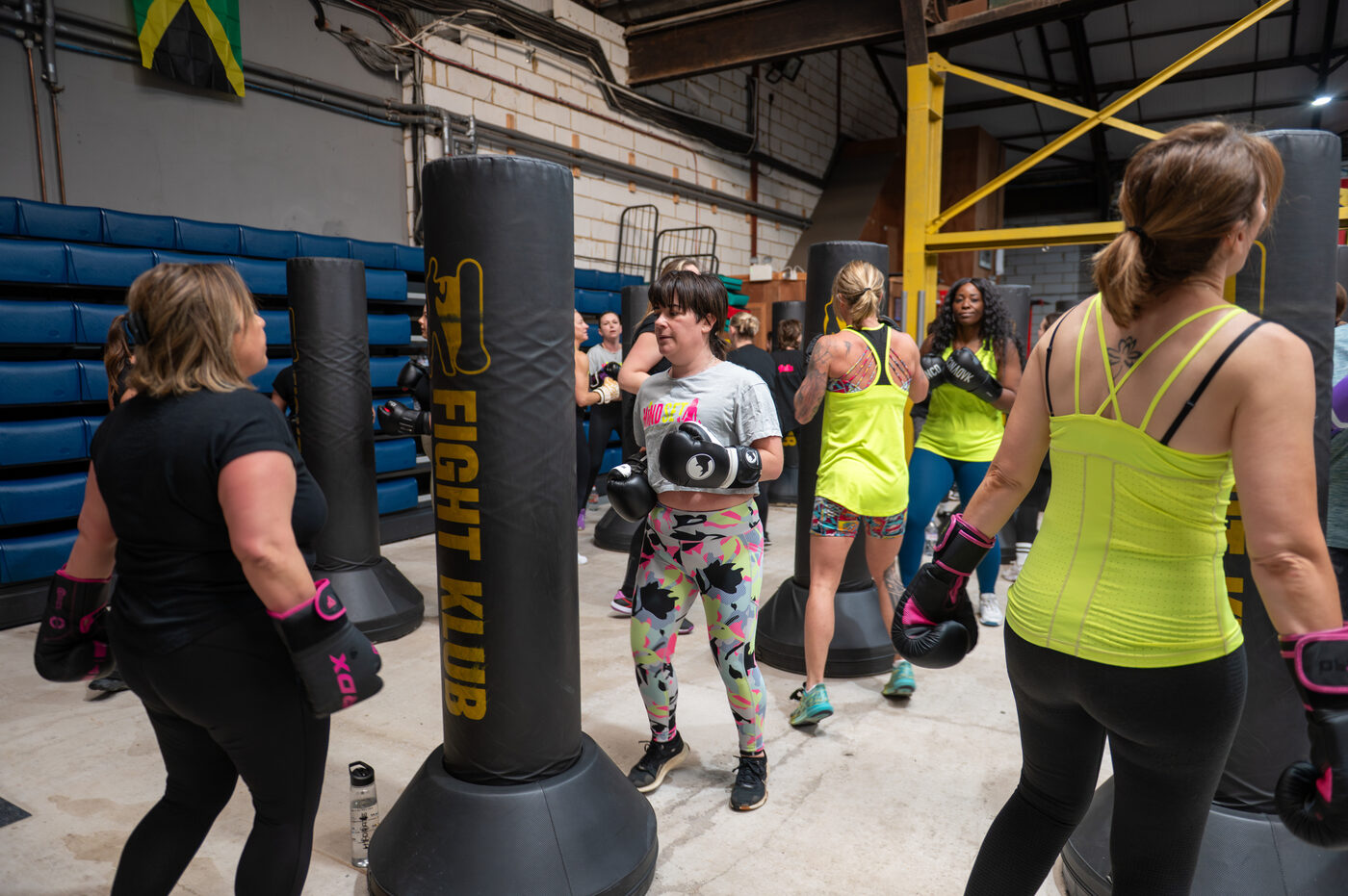
We train in small groups of women only. No blokes grunting in the corner. No mirrors full of twenty-somethings. Just women, a lot of them starting from the same nervous place you are, with a coach right beside you showing you exactly what to do. You will not be the odd one out. Every single woman in that room started somewhere.
And if you fancy something with a bit more bite, we even throw a little boxing into the mix at Fight Klub, which is one of the most fun ways I know to feel strong and let the week go. Strength training doesn't have to be serious to work.
Because here's the thing I most want you to hear. The hardest part was never the lifting. It's making that first decision to walk through the door. Do that, and I promise you, the rest is so much easier than you fear. You're capable of far more than you think. 💜
Come and try it. Properly.
Start with a completely free 7-day trial. No contracts. No pressure. No awkward sales pitch. Just 7 days to meet the coaches, get to know the ladies, and feel for yourself what makes this place different.
Start Your Transformation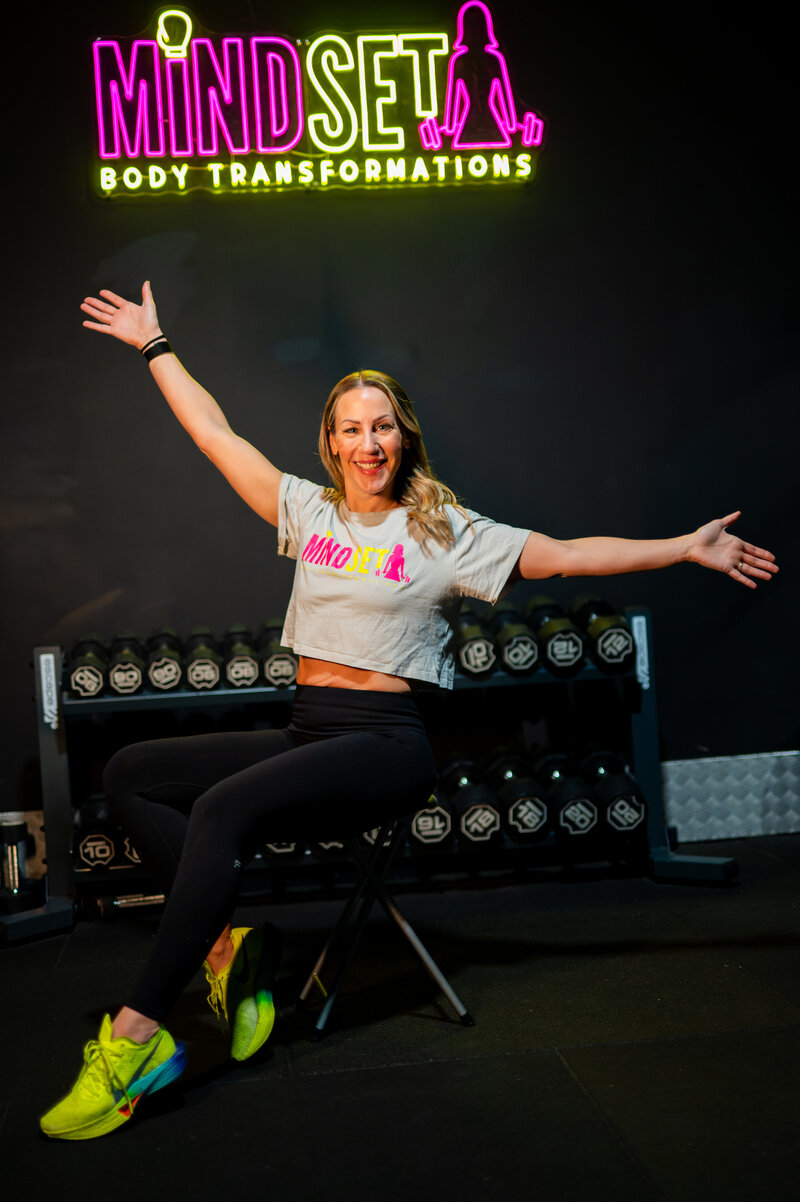
Written by Carrie
I'm the founder and head coach at Mindset Body Transformations in Southampton. I've spent the last 7 years helping women over 30 feel stronger, healthier and a lot more like themselves again. More about me.
Quick honest note: this is general advice from a coach, written to help you feel confident starting out, not medical advice. Every body is different. If you've got an injury, a health condition, or any concerns about starting to exercise, please have a chat with your GP first.